
My path into neurodevelopmental care began long before my formal training. Some of my earliest memories, before I was five years old, are of sitting in a county developmental services office while my sister received early intervention services in the 1980s. Long before I understood the language of diagnosis, I understood what it felt like for a family to navigate a system that was complicated, well-intentioned, and not always able to meaningfully improve a child’s life trajectory.
Those early experiences shaped not only my empathy, but my direction.
I pursued doctoral training in clinical psychology and neuropsychology, followed by postdoctoral specialization in pediatric neurodevelopment, with a focus on how comprehensive assessment paired with sustained, developmentally informed intervention can shape long-term outcomes. I later held faculty appointments in academic medicine across clinical and research settings. I served as an Assistant Professor of Psychology in Clinical Psychiatry at Weill Cornell Medical College in the Center for Autism and the Developing Brain (CADB), and as an Instructor in Psychology at Harvard Medical School within the Division of Developmental Medicine and the Translational Neuroscience Center at Boston Children’s Hospital.
I was extraordinarily fortunate to be mentored by pioneers in child development and autism, including Drs. Catherine Lord, T. Berry Brazelton, and Leonard Rappaport. Their influence instilled in me a commitment to scientific rigor, developmental science, and seeing the whole child within the context of family and environment. I developed a deep appreciation for how cognitive, language, executive, and emotional systems interact across development and how nuanced, gold-standard assessment can clarify both challenges and profound strengths. I am a certified trainer in the ADOS-2 and ADI-R, and have trained professionals nationally and internationally in these instruments. This work has reinforced my belief that rigorous, research-based tools must be paired with relational insight and longitudinal care.
Yet, throughout my academic and clinical work, I repeatedly saw the same gap: families often received comprehensive diagnostic evaluations without integrated follow-through, or therapy without the depth of understanding that comprehensive assessment provides.
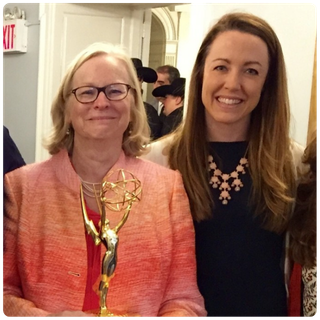
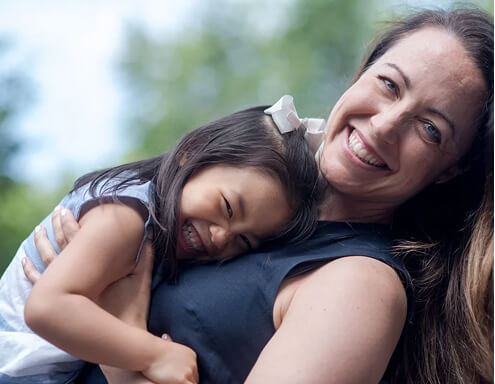
After returning to New York City, I joined the Child Mind Institute, where I was Senior Director of the Autism Center, building and leading a center as a professional while simultaneously navigating early intervention and special education systems as a parent. Experiencing these NYC systems from both professional and personal perspectives strengthened my commitment to building a more cohesive, integrated model of care.
From my earliest memories in a developmental services office with my sister, to years of advanced training and leadership in academic medicine, to navigating these systems as a parent, each chapter shaped my perspective and reinforced the same conviction: there is a critical gap between research and real-world care.
My work has focused on closing that gap by pairing rigorous and comprehensive neurodevelopmental assessment with sustained, thoughtful intervention. Evaluation should clarify a path forward; and intervention should be guided by a precise understanding of how a child’s brain learns, regulates, and connects.
Too often, families are left piecing together fragmented services across disconnected systems. I envisioned a collaborative center where experts work together to provide comprehensive, integrated developmental care.
Today, our practice brings together psychologists, behavior analysts, pediatricians, and clinical partners who share a commitment to elevating individuals with neurodevelopmental disorders, and their families. We serve individuals across New York City, the tristate region, nationally, and internationally, offering a model of care that is both scientifically grounded and deeply human.
At the heart of this work is a belief that neurodivergent individuals deserve systems of care that truly see them, support them, and empower them to navigate the world in ways that are meaningful to them.